Blog
Practical articles on BESS — technology, revenue, safety, and the project lifecycle.
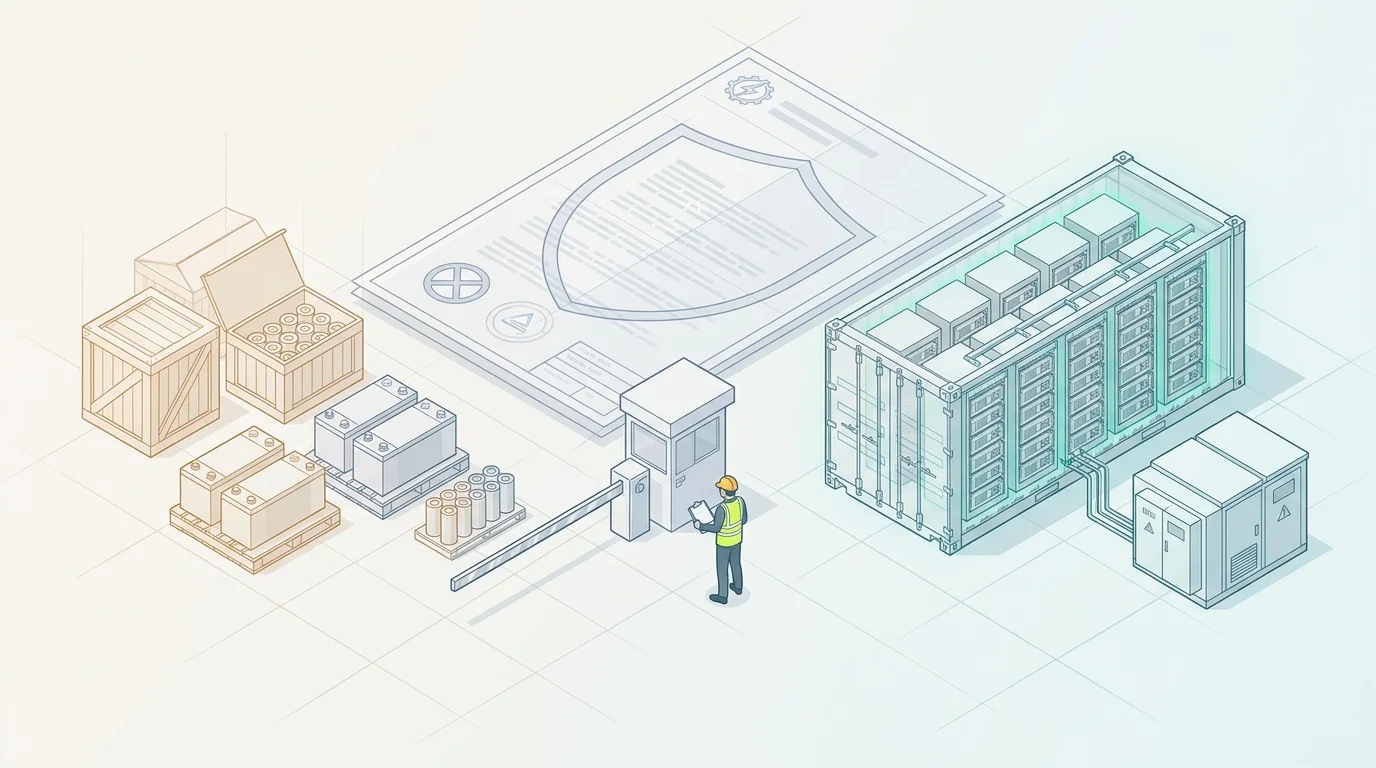
What Is FEOC in Battery Energy Storage?
What Foreign Entity of Concern means for BESS projects — the legislative framework, three prohibited foreign entity categories, MACR compliance thresholds, and the 10-year ITC recapture rule.
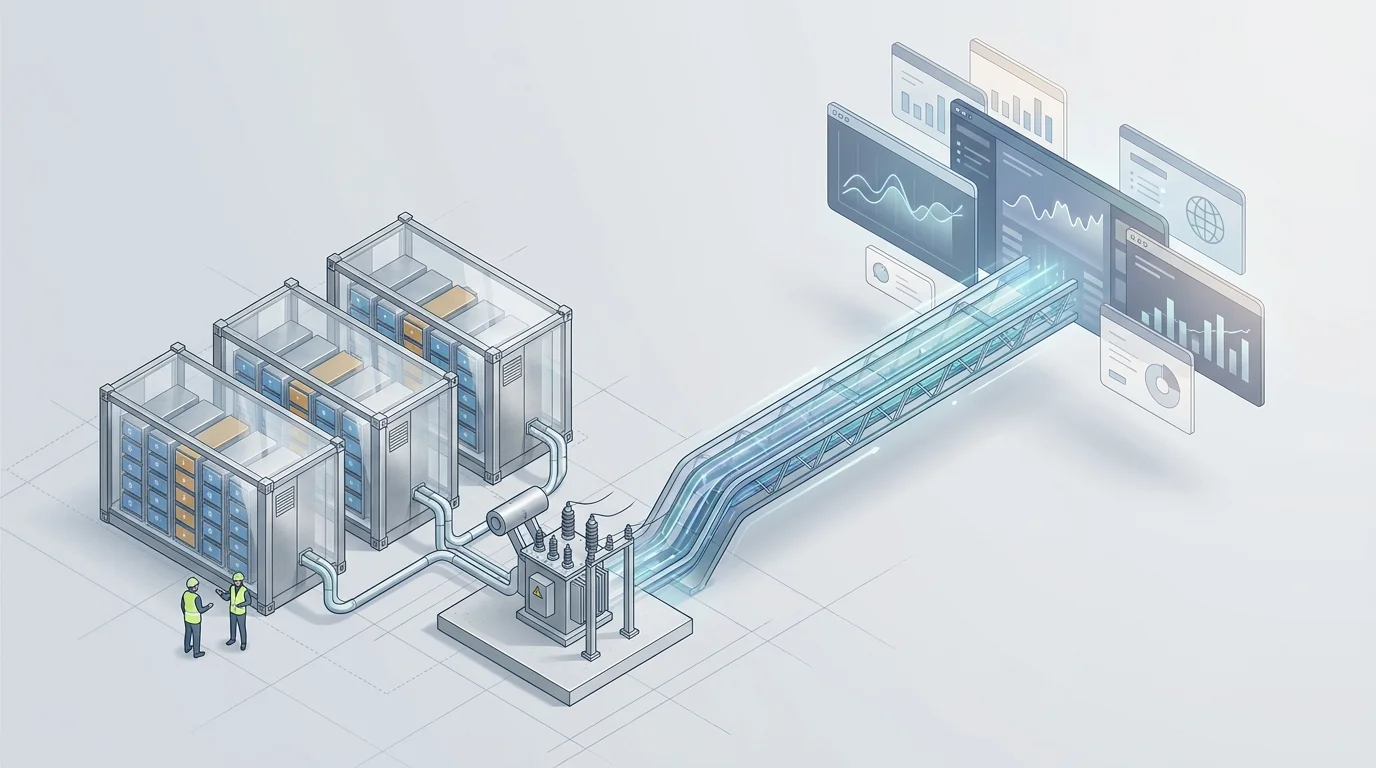
What Is a Route to Market (RTM) Provider in BESS?
Route to market in battery energy storage explained — what an RTM provider does, how it differs from an optimizer, and the key commercial structures.
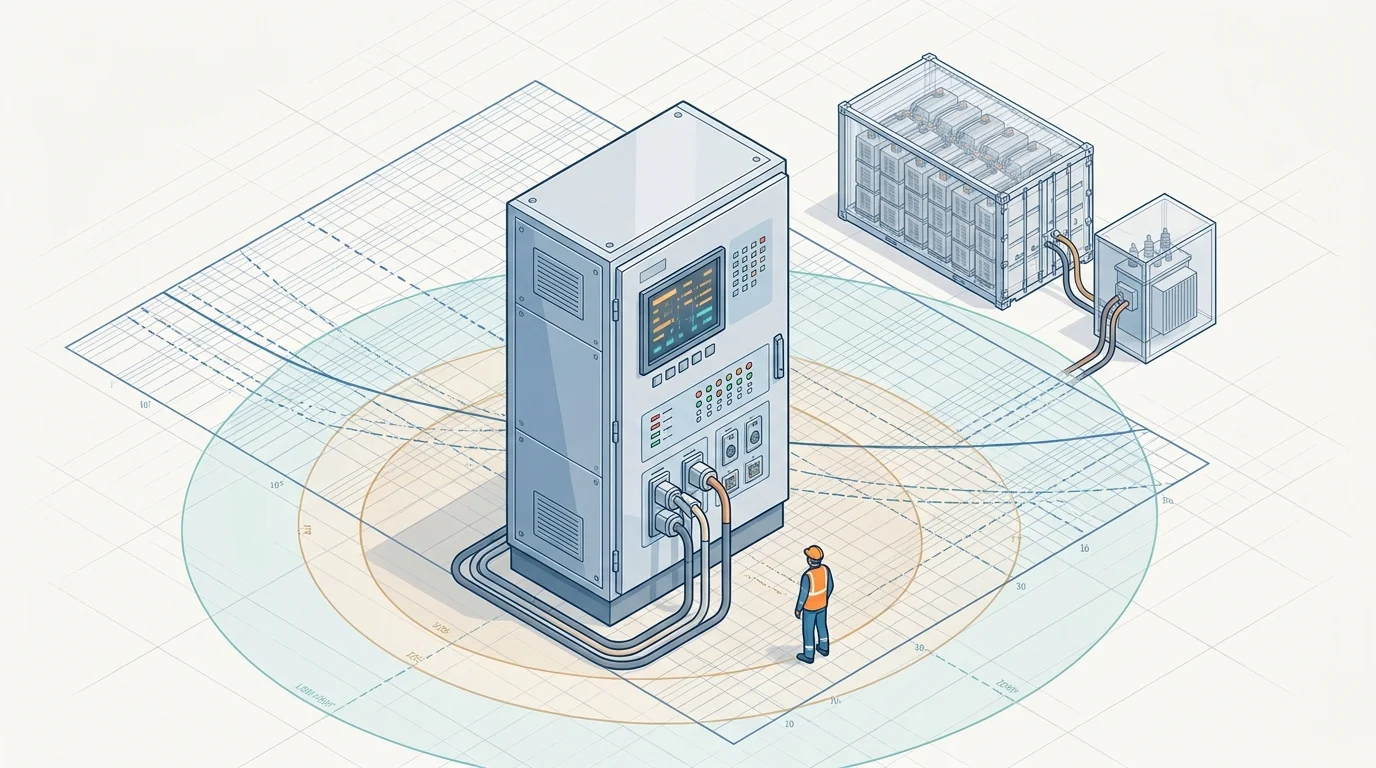
What Is Relay Coordination in BESS?
Relay coordination in utility-scale BESS explained. What a relay coordination study involves, why inverter-based resources make it different, and what happens when coordination fails.
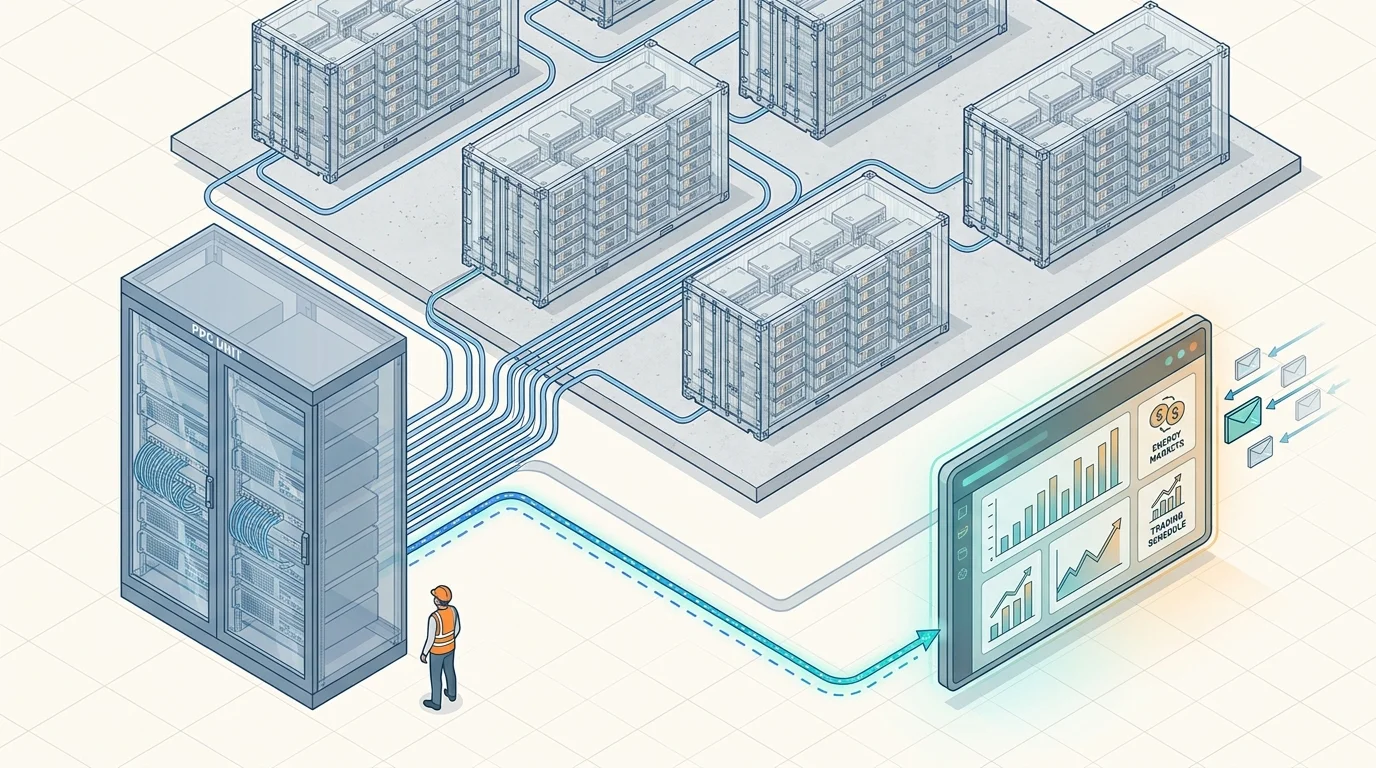
PPC vs EMS in BESS — What Is the Difference?
What a Power Plant Controller (PPC) and an Energy Management System (EMS) are in a BESS plant, what each is responsible for, and how they relate to each other.
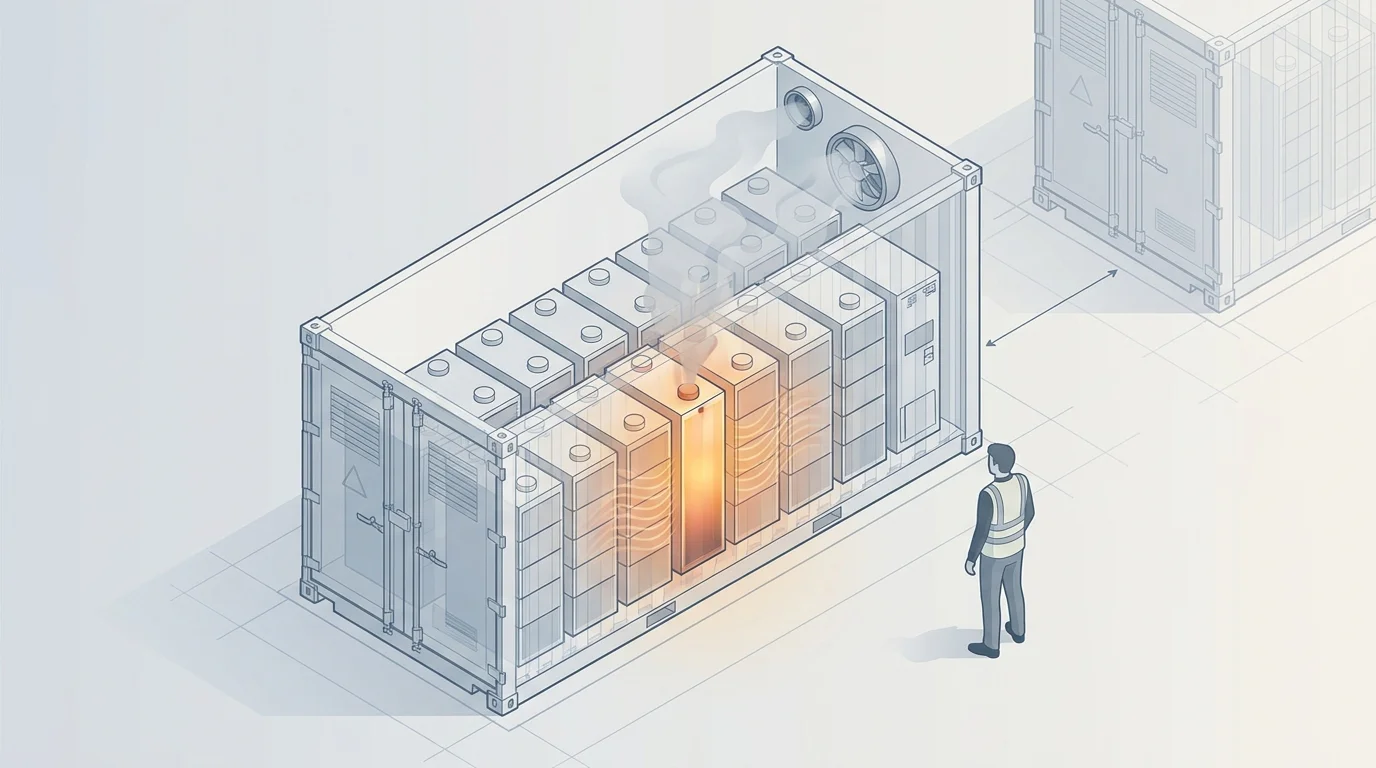
What Is Thermal Runaway in BESS?
Thermal runaway in BESS explained — what it is, why it cannot be extinguished, and why fire safety design is built around containment.
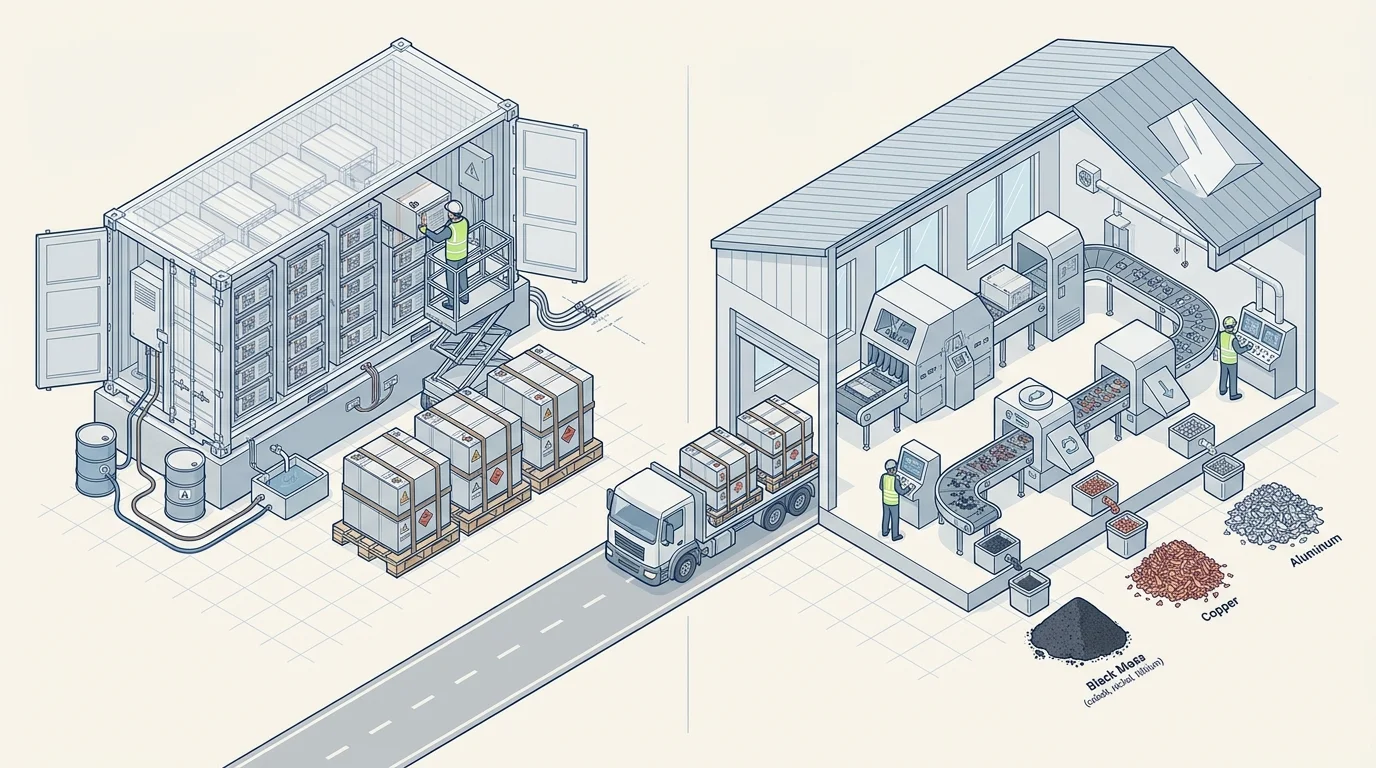
How Are BESS Batteries Recycled?
How BESS batteries are recycled — the material recovery process, what's recoverable from each chemistry, and who pays for the treatment.
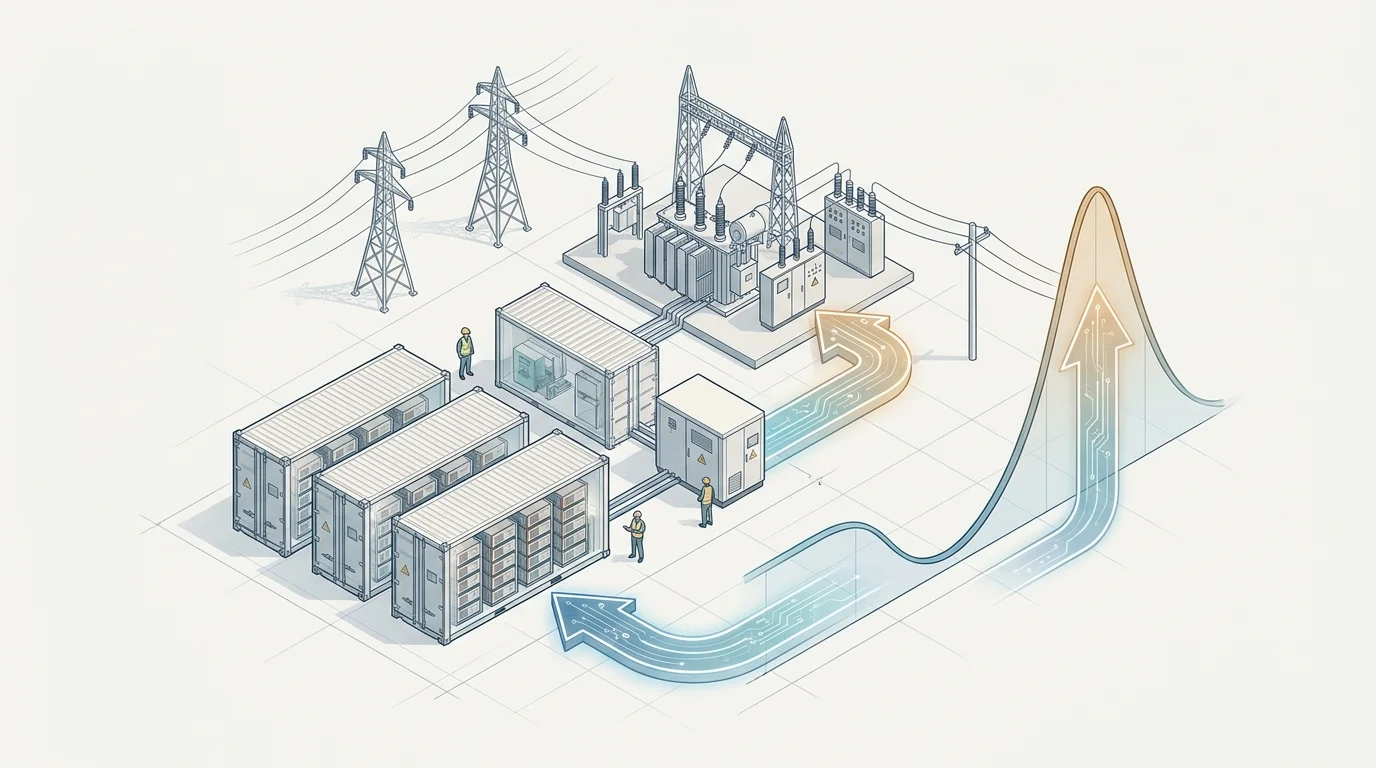
How Does Battery Storage Make Money in EU Electricity Markets?
How battery storage earns in EU electricity markets — the three revenue streams, plus the BRP and BSP roles that decide who carries the imbalance.
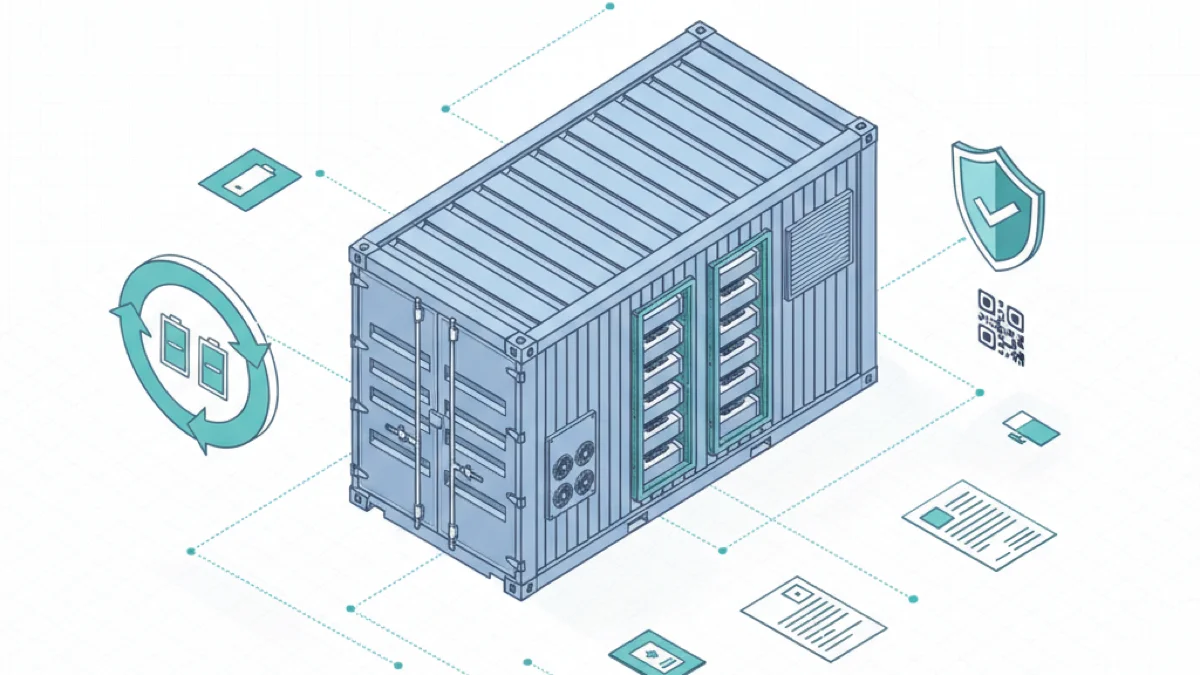
What Is the EU Battery Regulation?
The EU Battery Regulation governs whether a battery can legally be sold in the EU — covering safety, carbon footprint, digital tracking, due diligence, and end-of-life obligations.
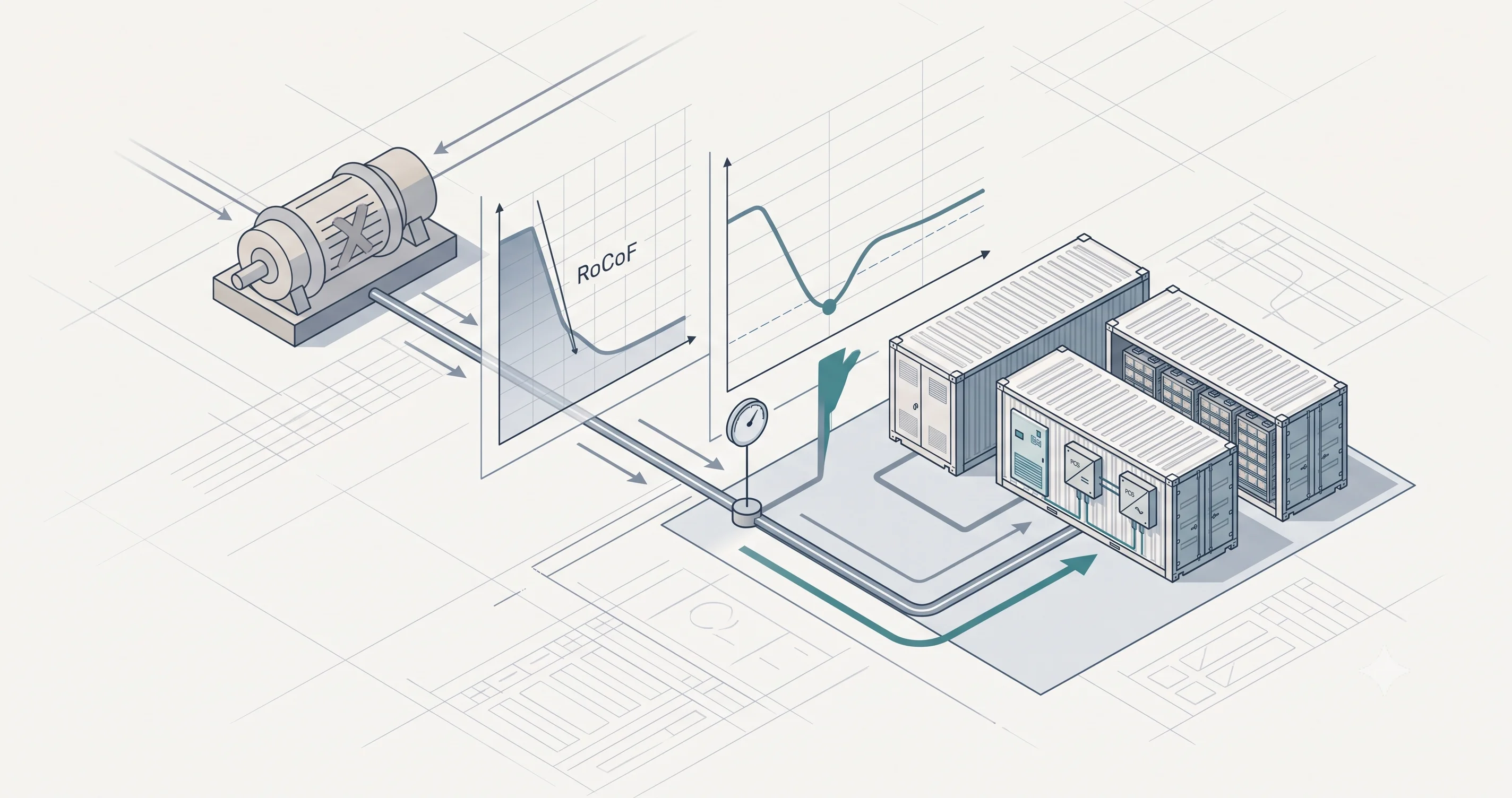
What Is Fast Frequency Response (FFR) in BESS?
Fast frequency response is a sub-second power injection that arrests a falling grid frequency. What FFR specifies, how a BESS delivers it, FFR vs FCR.
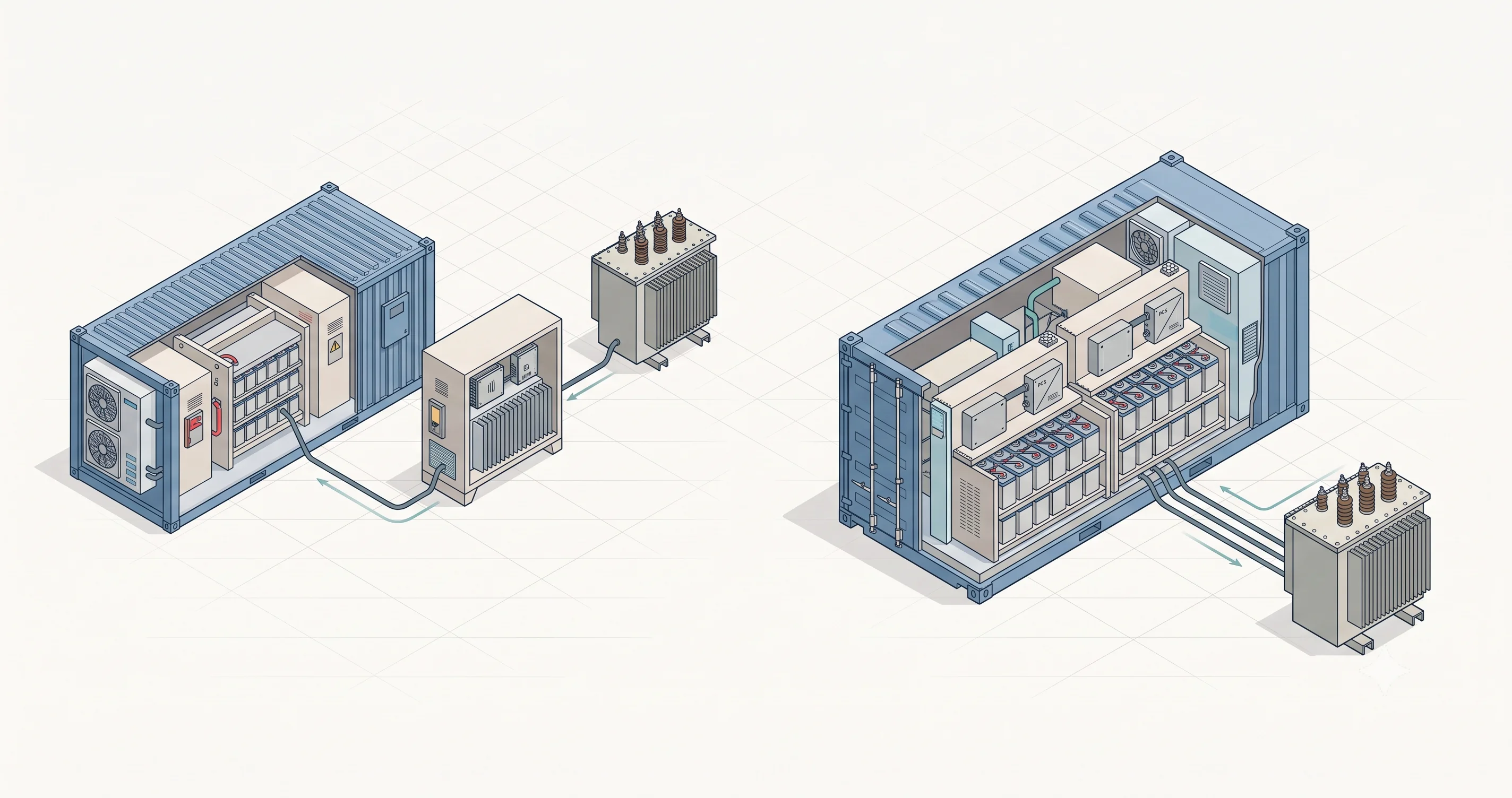
AC Block vs DC Block in BESS: What's the Difference?
AC block vs DC block in BESS: what each topology is, how they differ, and what the choice means for flexibility, procurement, cost, and future upgrades.
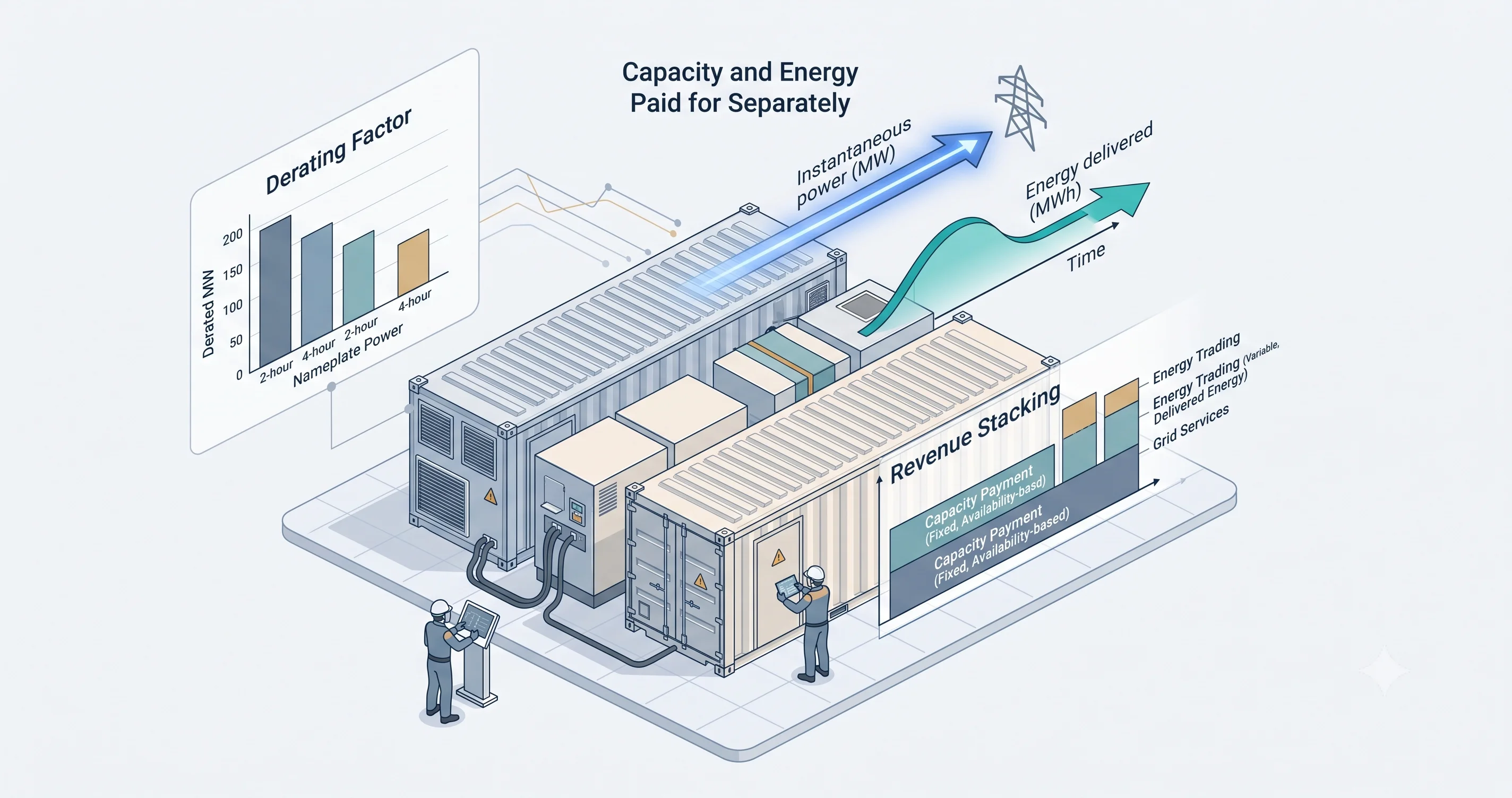
What Is the Capacity Market in BESS?
What the capacity market pays a battery for, why it is different from the energy market, how the derating factor works, and why it exists only in some markets.
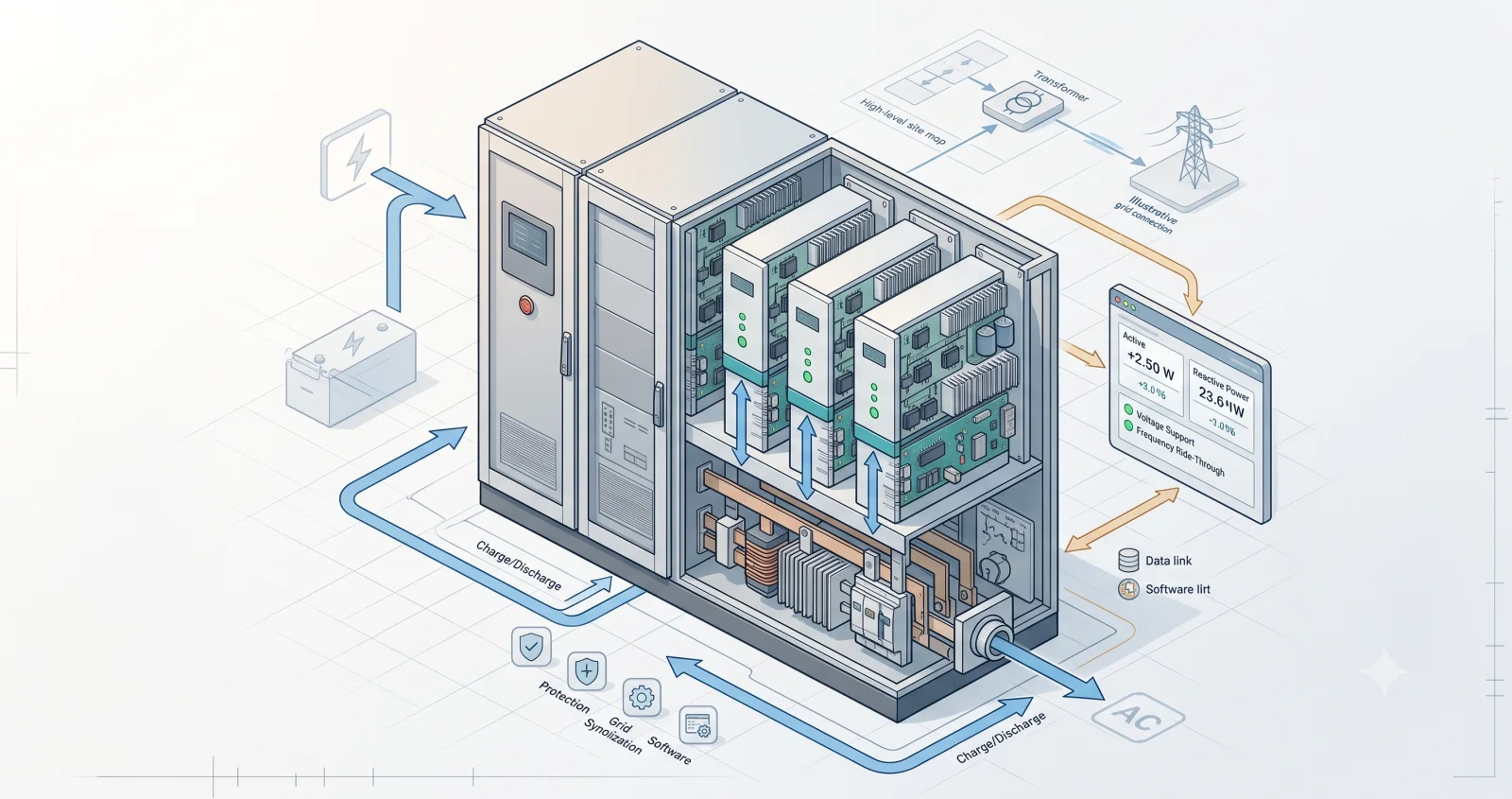
What Is a Power Conversion System (PCS) in BESS?
What a Power Conversion System (PCS) is in BESS, how it differs from an inverter and a converter, and why the PCS decides what the plant can do on the grid.
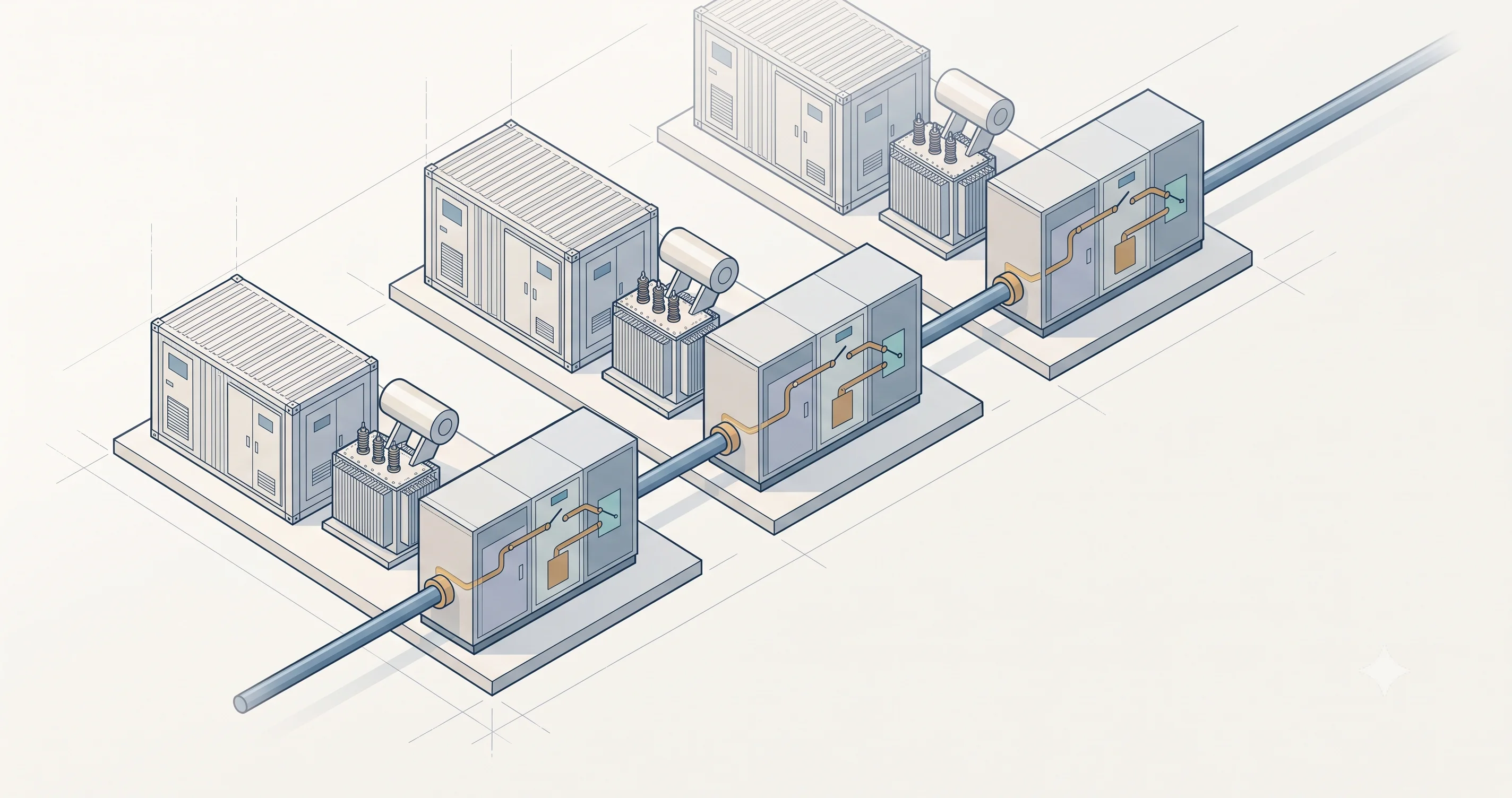
What Is a Ring Main Unit (RMU) in BESS?
Ring Main Unit explained for BESS. What an RMU does, its key functions, and how it enables radial, daisy-chain, and ring MV collection topologies.
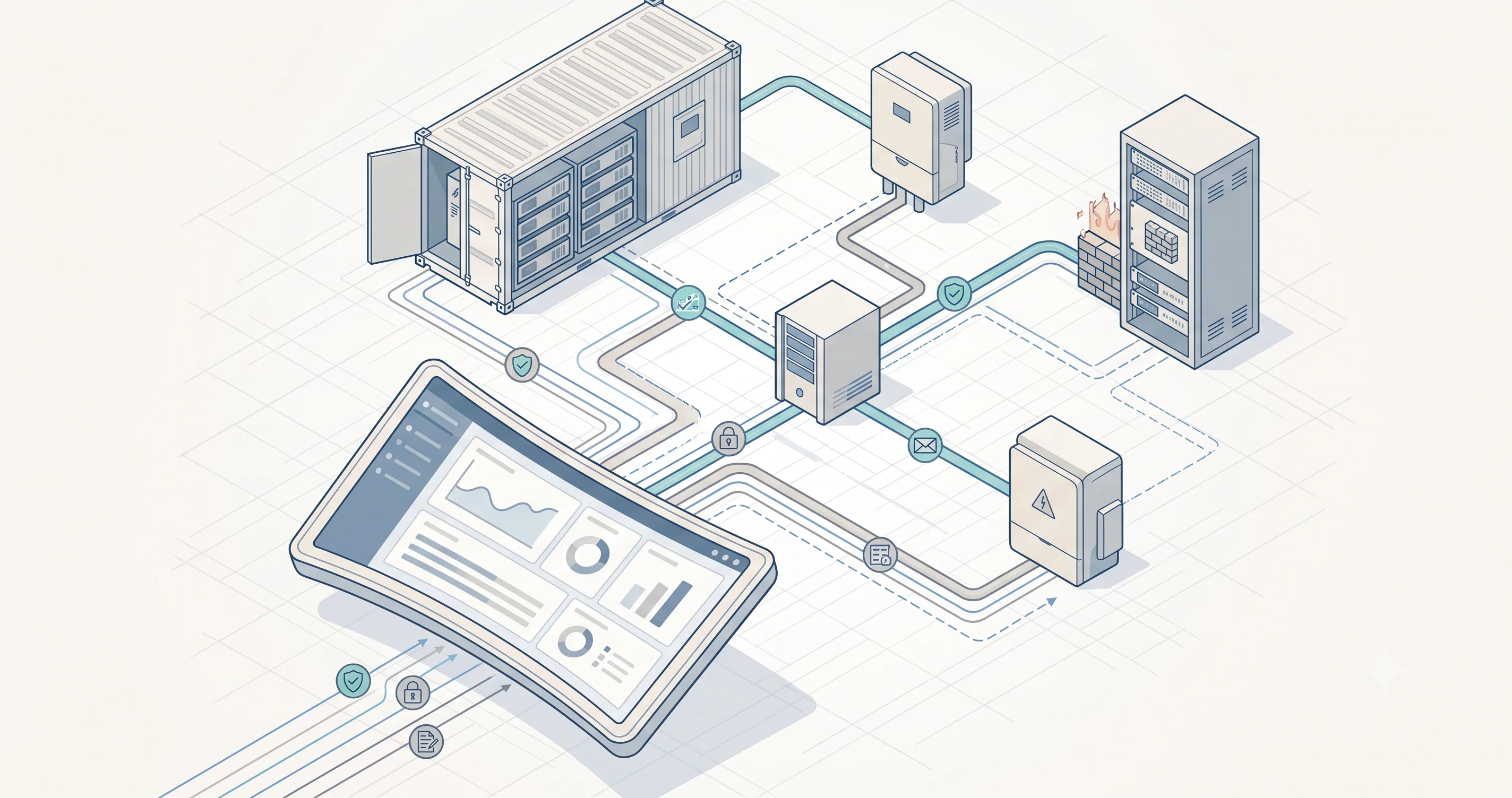
Who Is Responsible for NIS2 Compliance in BESS?
The NIS2 compliance obligation sits with the asset owner — but the party performing OT integration determines whether the plant meets it. The responsibility is shared, the obligation is not.
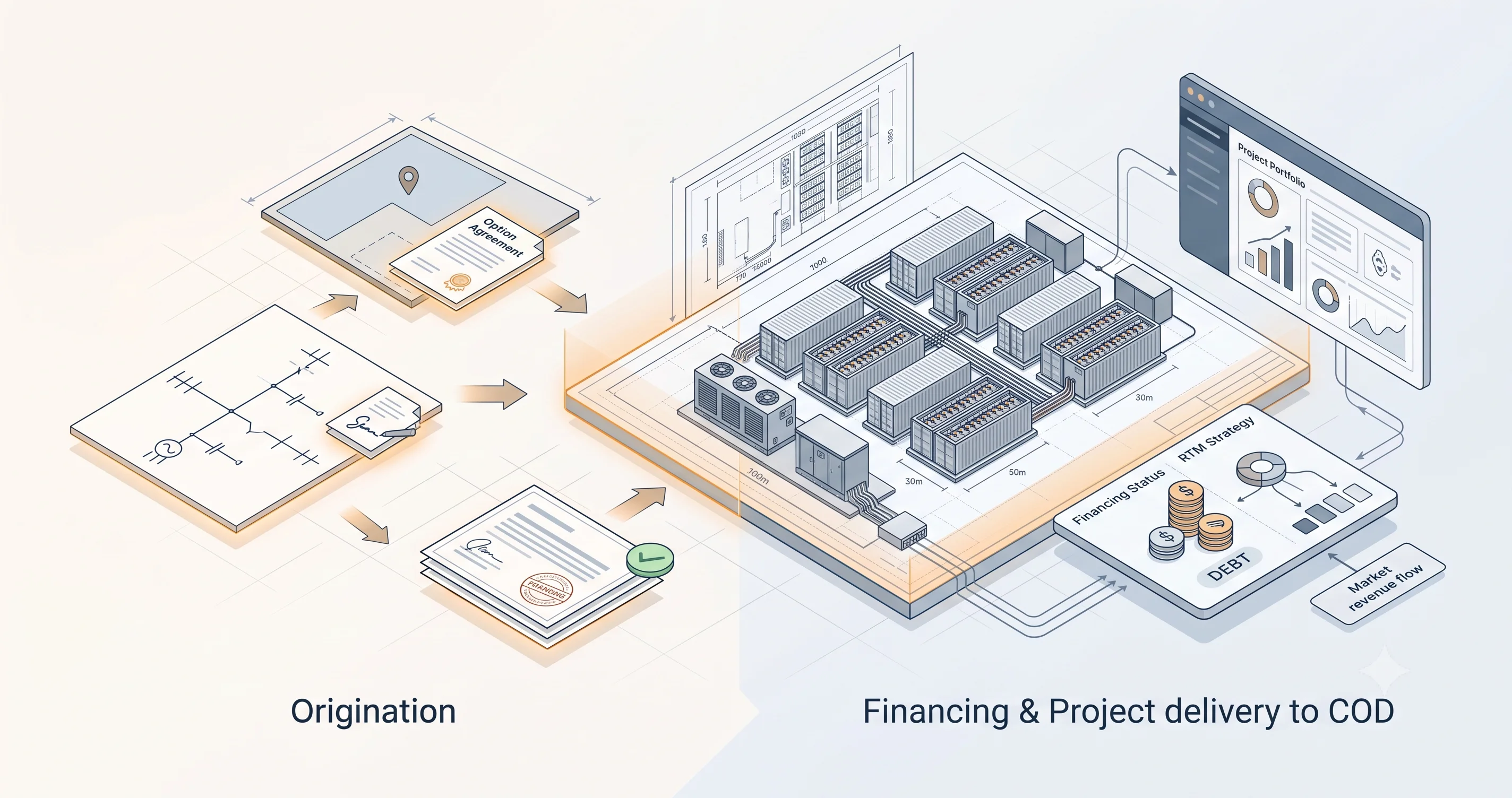
Ready to Build (RTB) in BESS — What's Actually in Place?
Ready to Build explained for BESS projects. What an RTB package consists of, why the term means different things to different developers, and why the assumptions behind it change before project delivery.
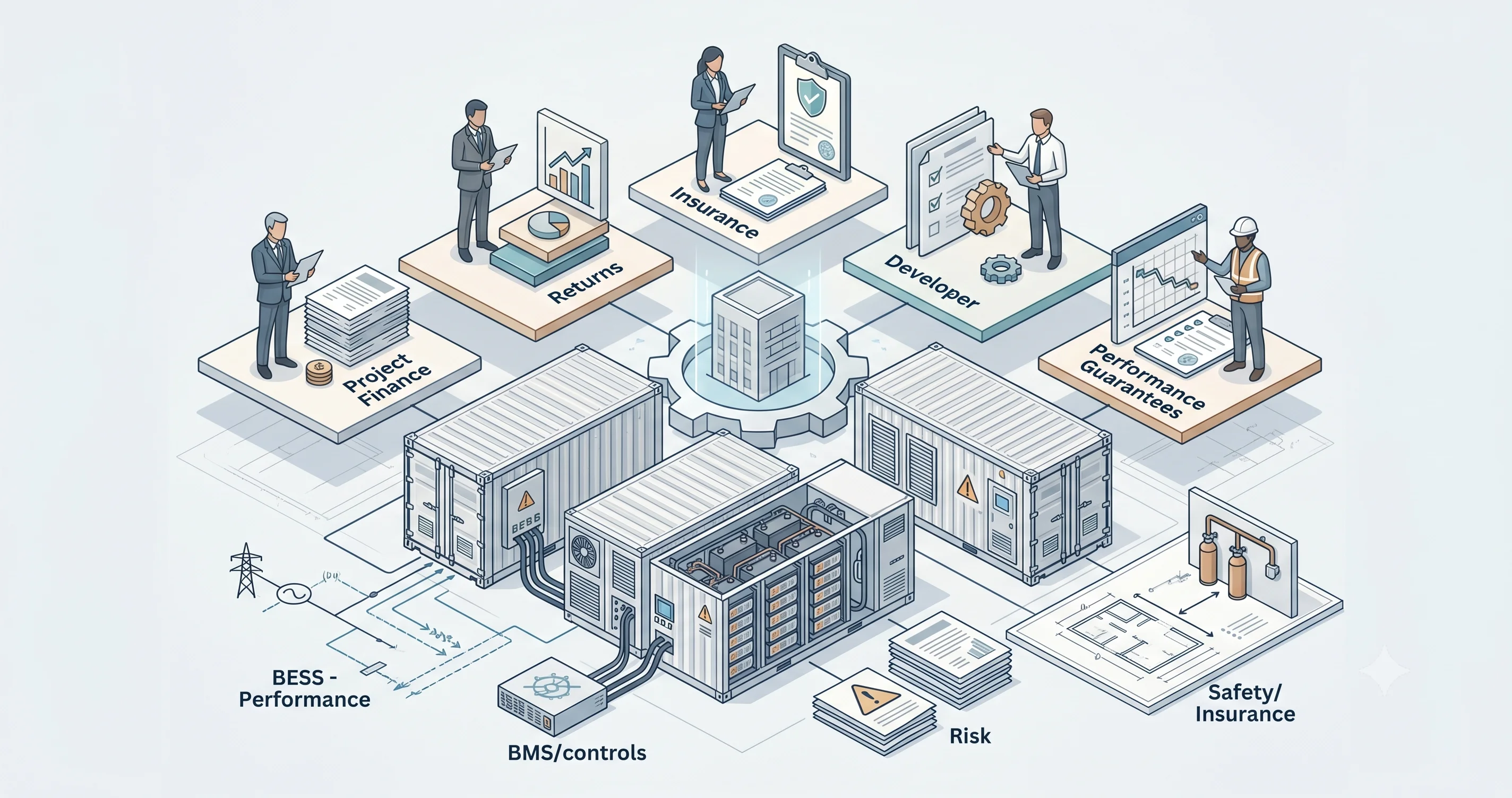
What Is Bankability in BESS?
Bankability explained for BESS projects. What makes a project, manufacturer, or EPC bankable, what BNEF Tier 1 actually measures, and why the assessment differs by stakeholder.
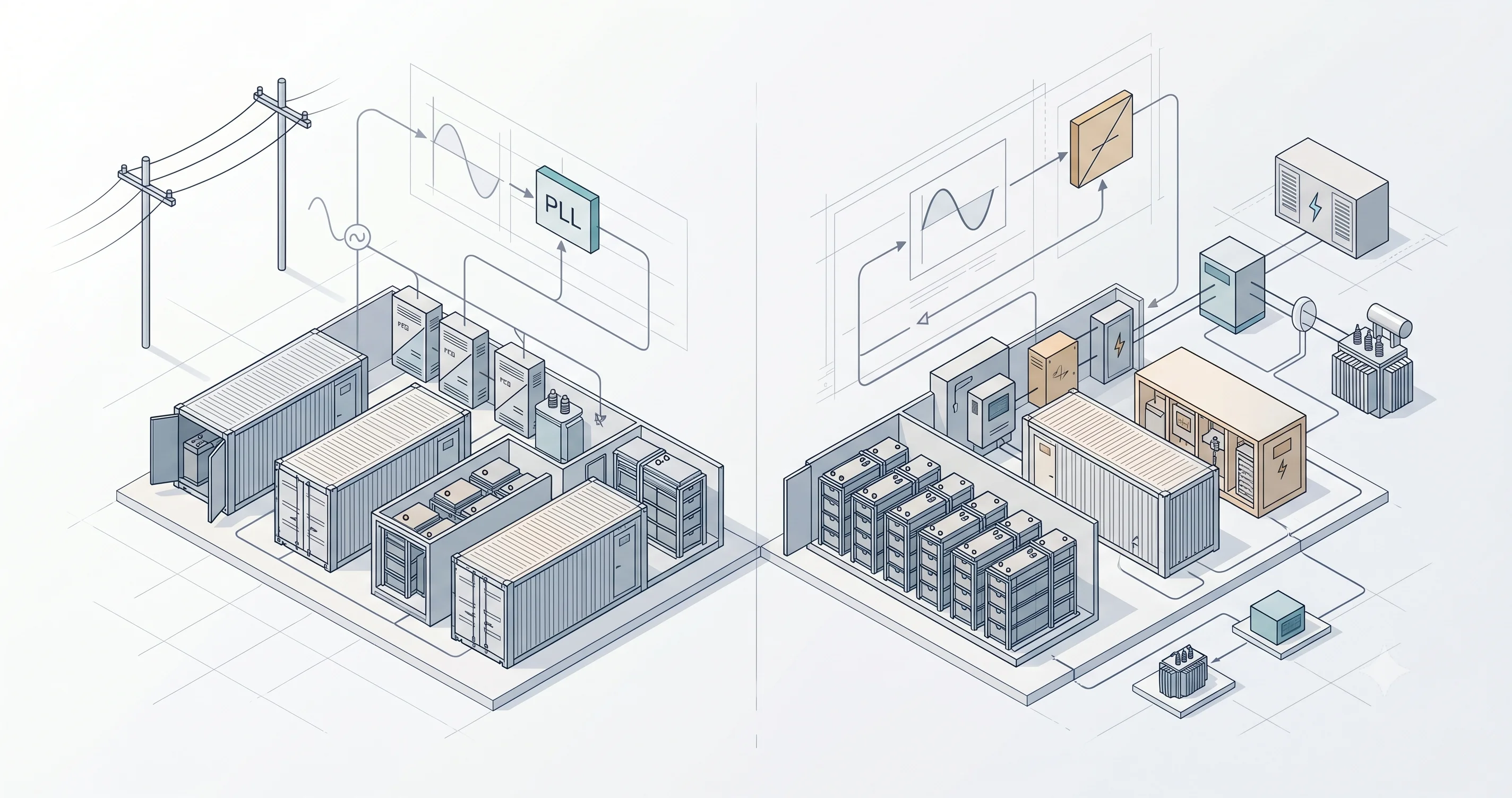
Grid Forming vs Grid Following — What It Means for BESS
Grid forming and grid following explained for BESS. What the two control philosophies mean, what grid forming provides, and why PCS capability does not equal plant capability.
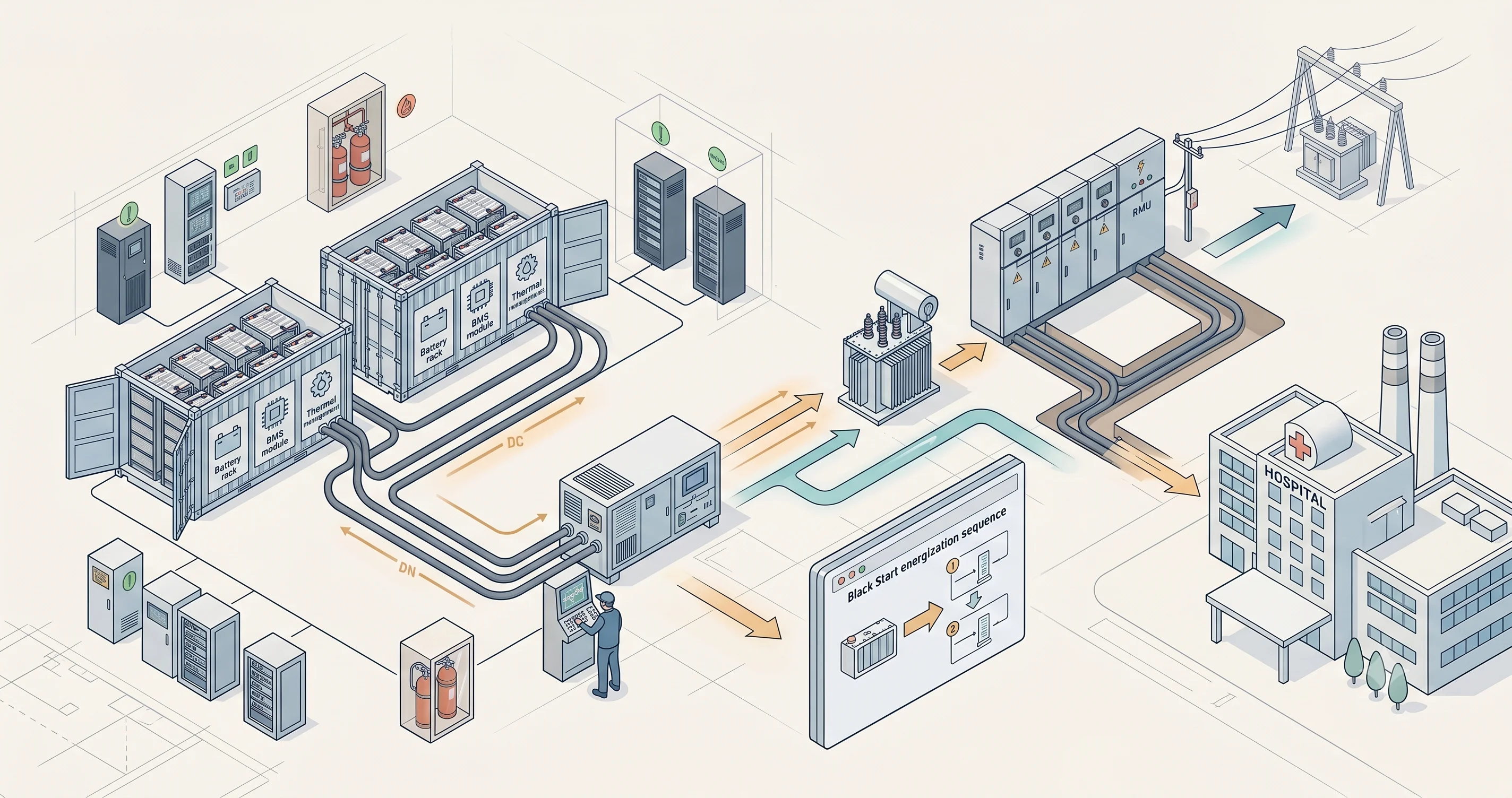
What Is Black Start in BESS?
Black start explained for BESS. What it requires beyond grid-forming control, and what it takes to energize a plant from the batteries toward the grid.
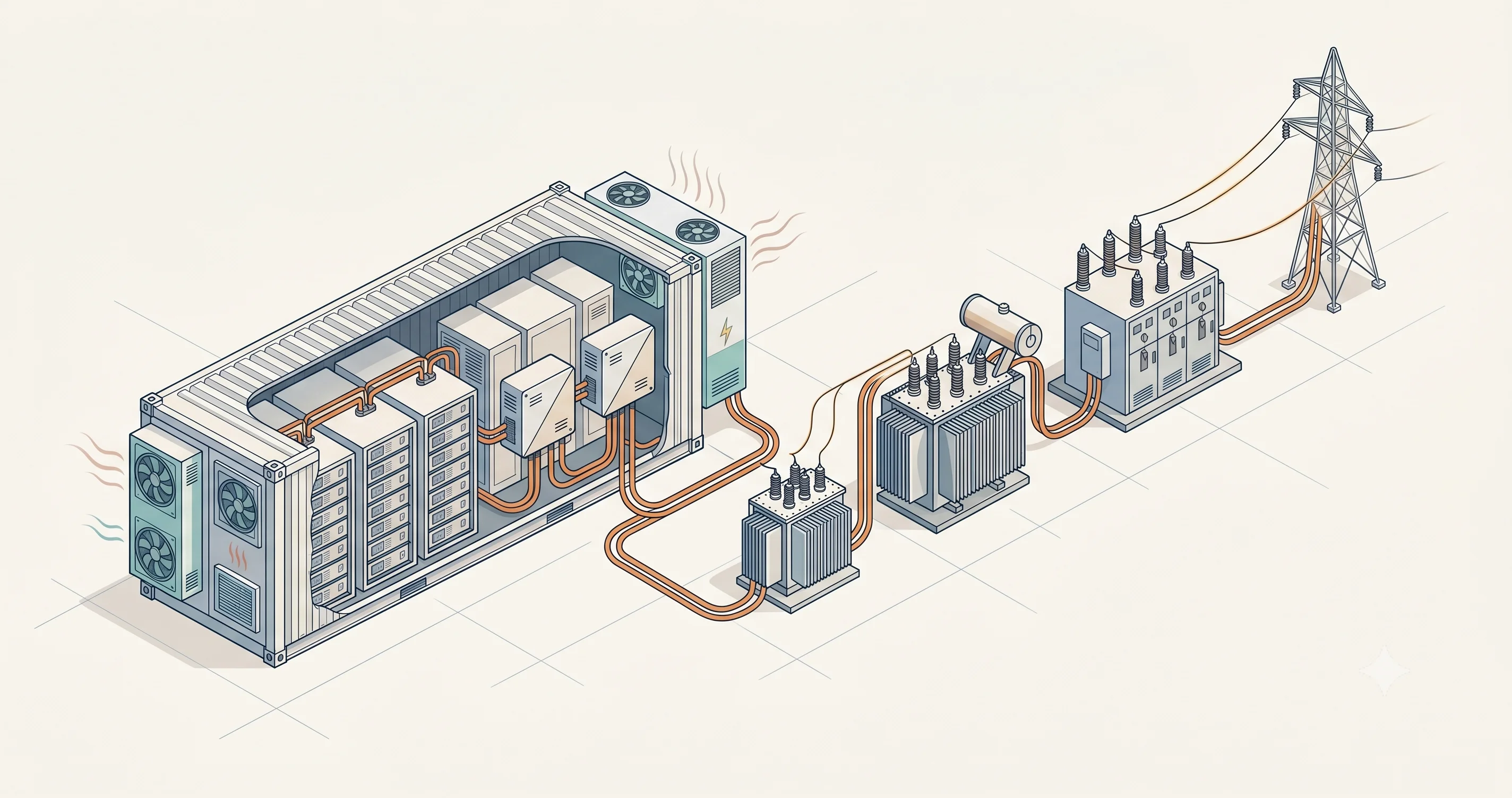
What Is Round Trip Efficiency (RTE) in BESS?
Round trip efficiency determines how much energy a BESS plant returns from what it stored. Where losses occur, how to calculate plant-level RTE, and why auxiliary power changes the equation.
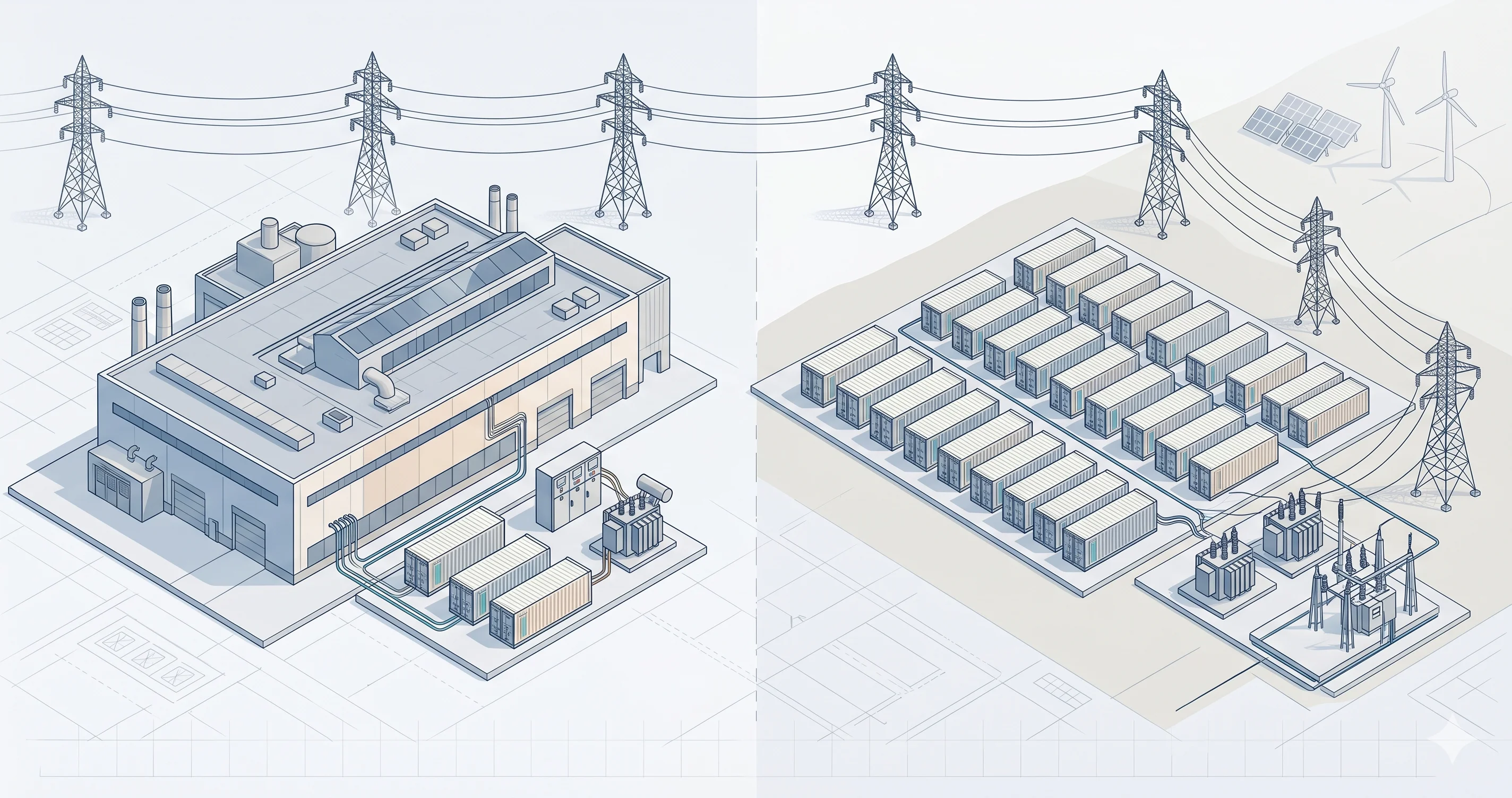
C&I vs Utility-Scale Battery Storage: Key Differences
C&I and utility-scale battery storage differ at the grid connection — what's behind it. Load or no load shapes use cases and manufacturer fit.
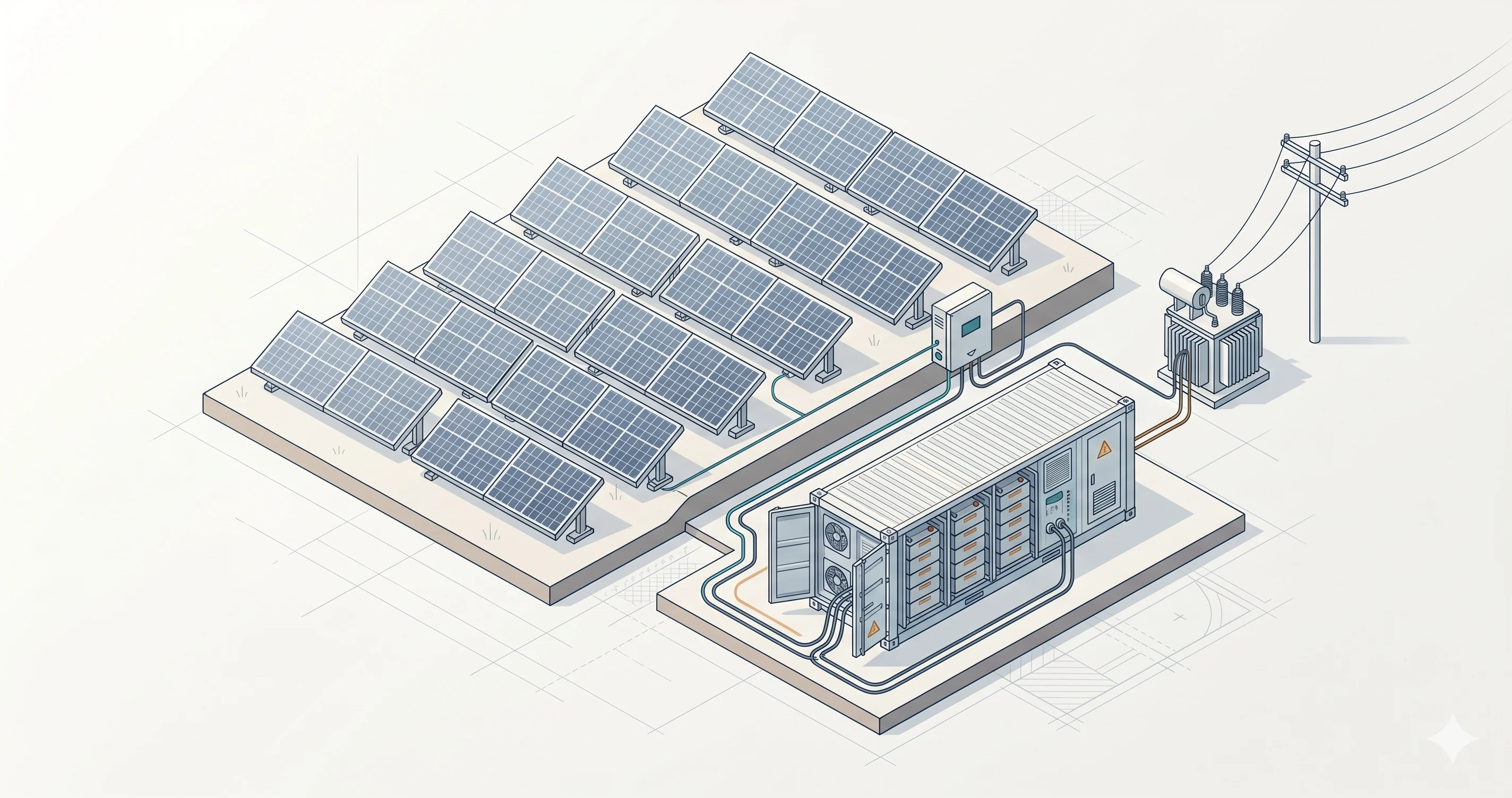
Hybrid vs. Co-Located BESS: What's the Difference?
Hybrid and co-located BESS are not the same thing. The distinction comes down to metering and settlement — and it affects grid fees, trading, and financial modeling.
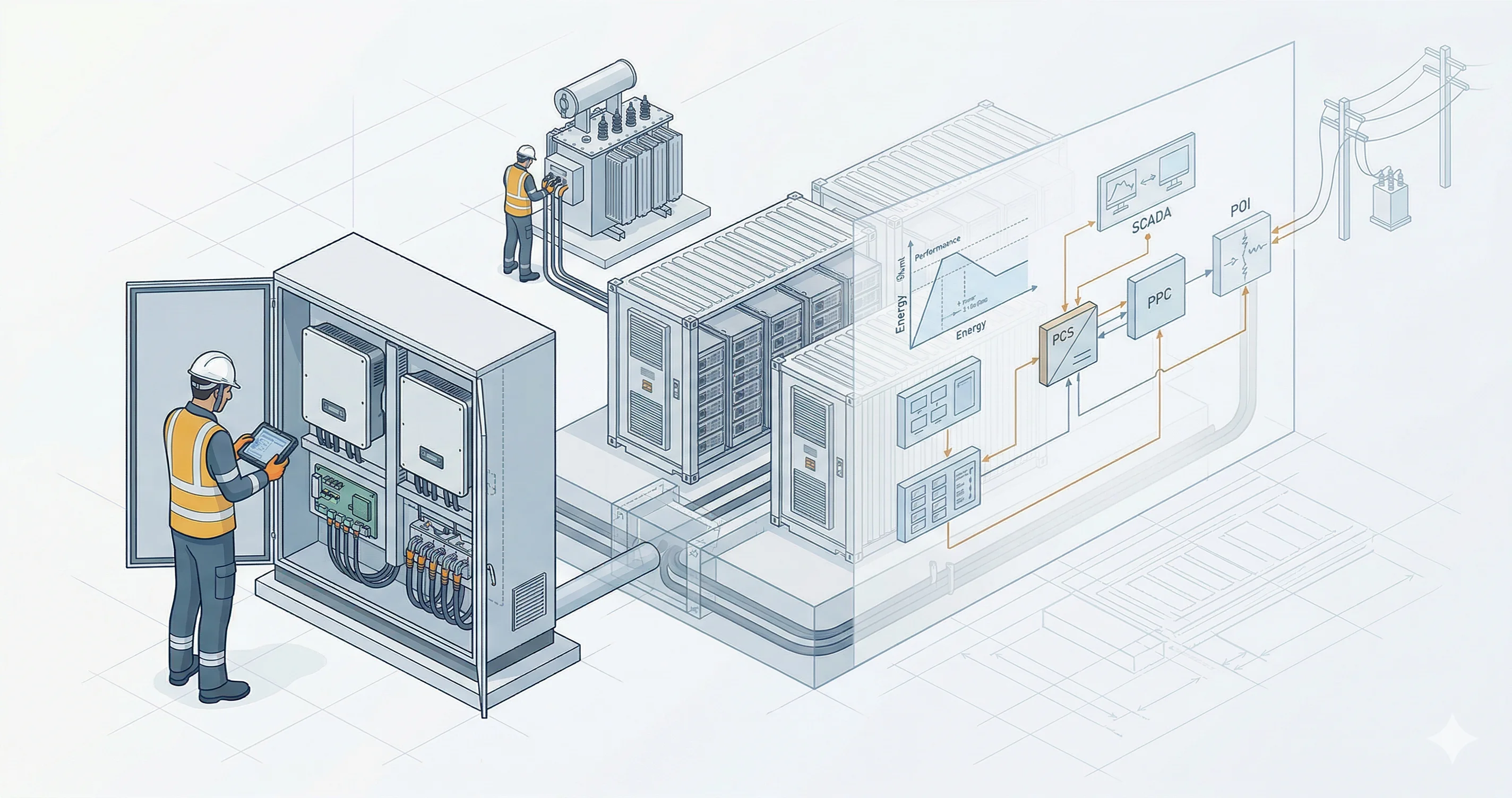
What Is a Site Acceptance Test (SAT)? — BESS Guide
Site Acceptance Test explained — the difference between equipment-level acceptance and plant-level SAT on a BESS project, and why confusing the two causes delays and disputes.
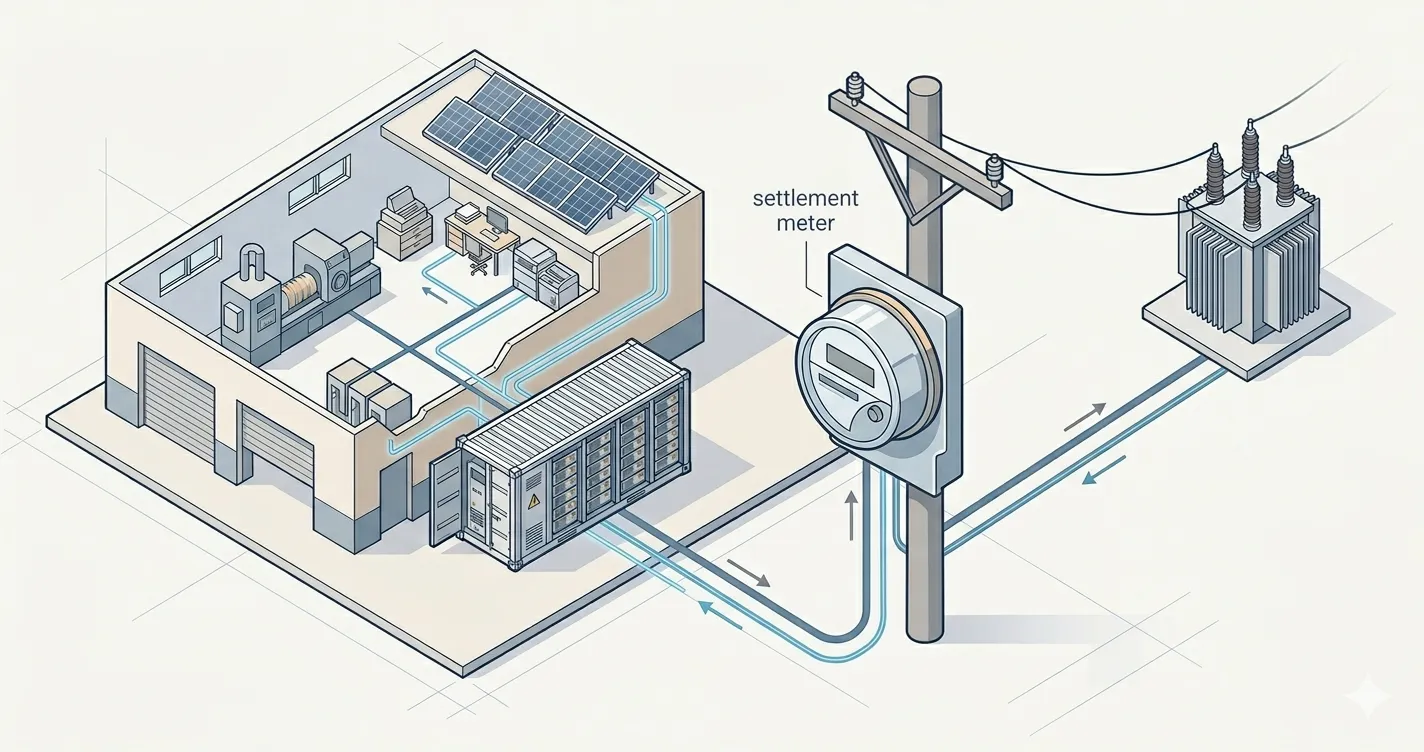
Behind the Meter vs Front of the Meter in BESS — What They Actually Mean
Behind the Meter (BTM) and Front of the Meter (FTM) explained for BESS. What the terms mean, how they define use cases, and the difference between indirect and direct revenue.
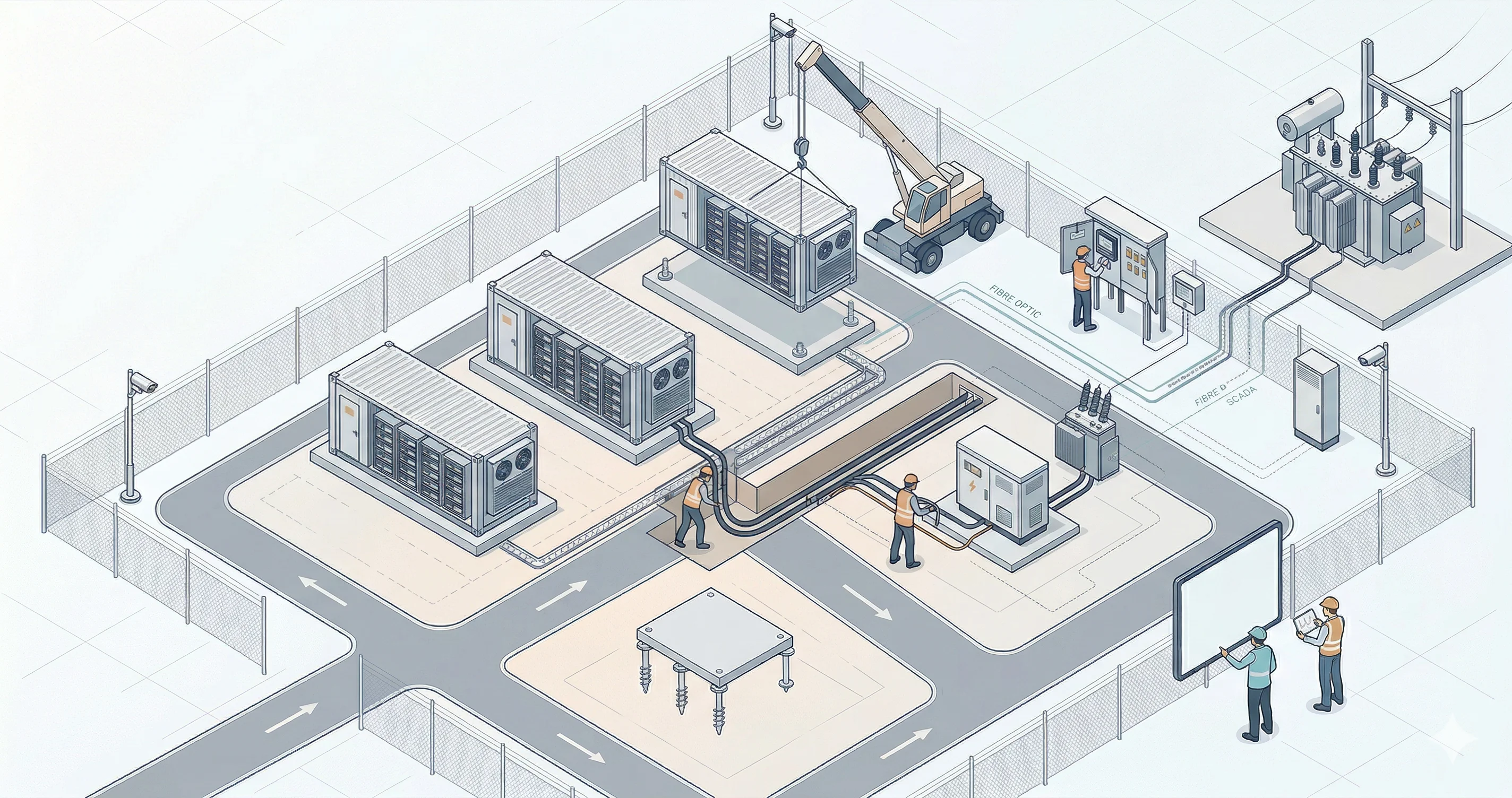
What Is Balance of Plant (BoP) in BESS?
Balance of Plant explained for BESS projects. What BoP includes, how it gets contracted under EPC and split-contract models, and where the scope boundaries sit.
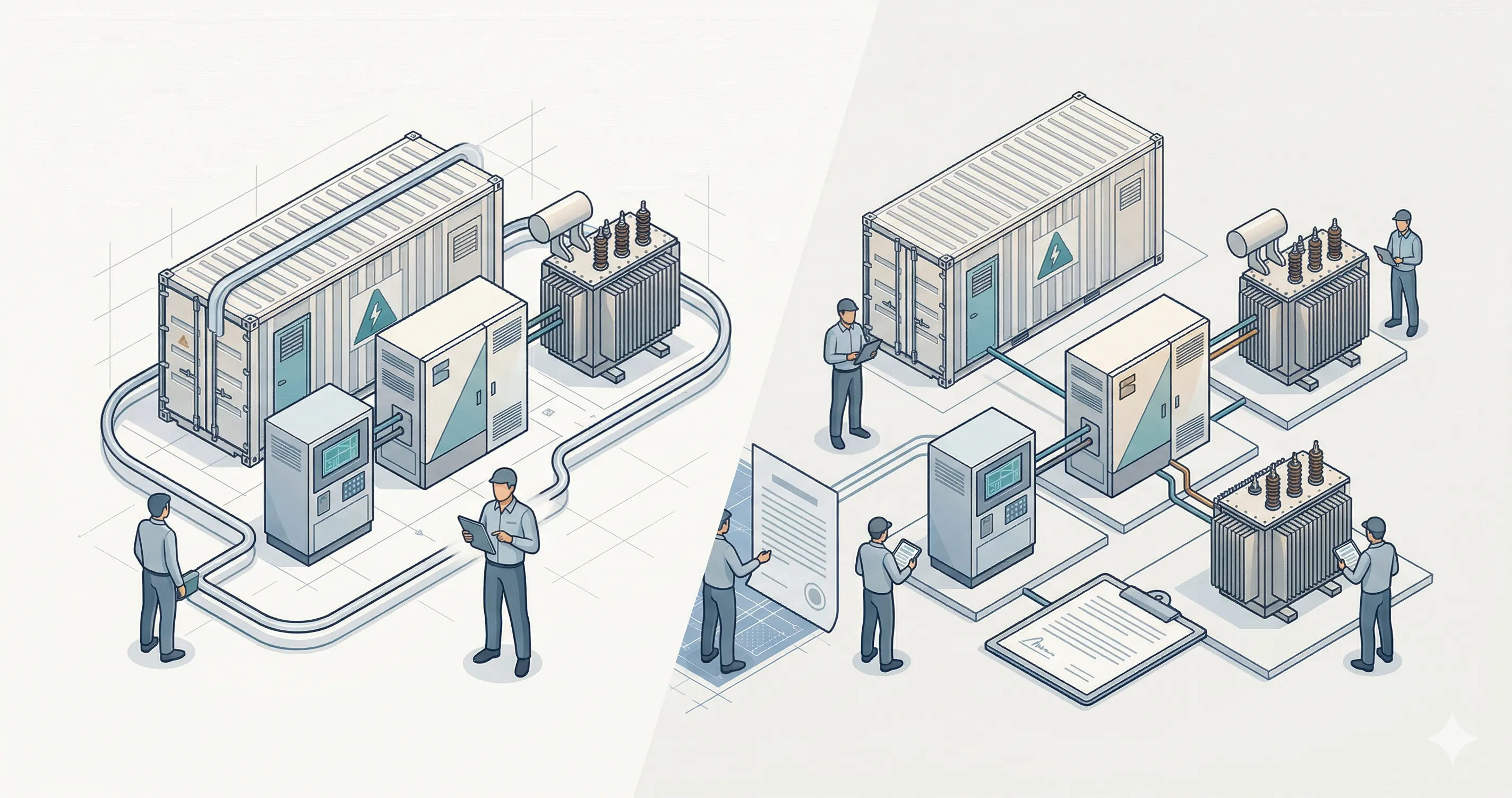
What Does Warranty Actually Mean on a BESS Project?
Warranty means different things to every stakeholder on a BESS project. This article breaks down the two warranty mechanisms — the Limited Product Warranty and the Defects Liability Period — and explains who is responsible when a defect appears.
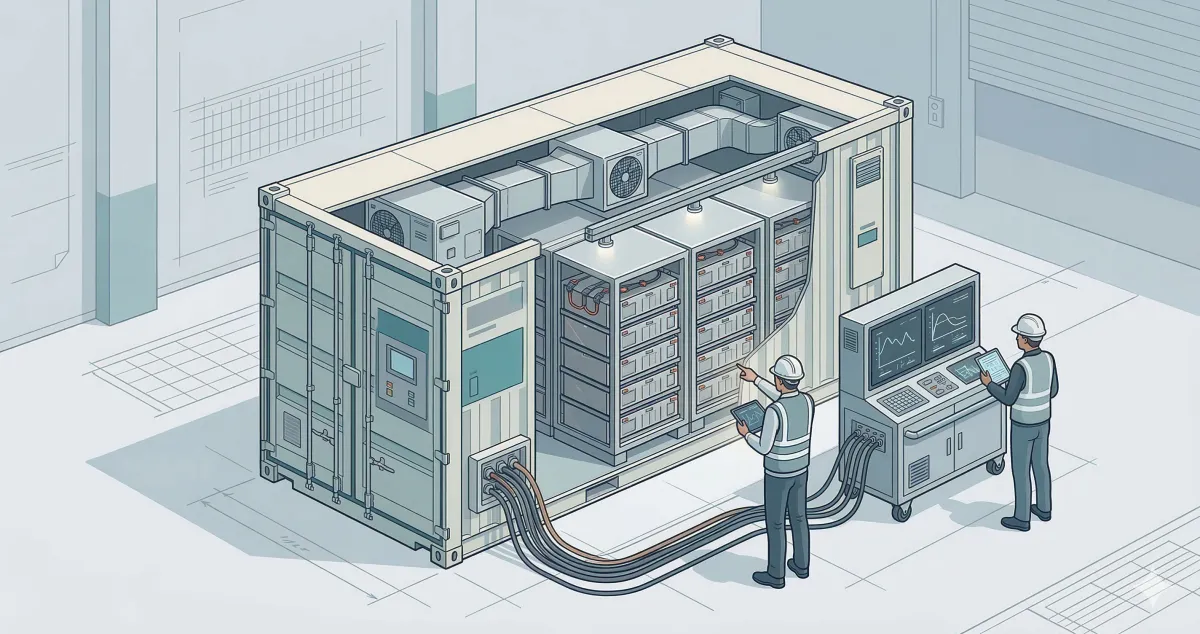
What Is a Factory Acceptance Test (FAT) in BESS?
Factory acceptance testing explained for BESS projects. What FAT covers on a DC block, common findings, firmware and parameterization, and where FAT sits in the manufacturing quality chain.
Frequently Asked Questions
Who writes learnBESS articles?
Engineers and commercial professionals working across the European and North American utility-scale BESS industry. All content is based on real project experience. If you'd like to contribute, reach out at hello@learnbess.com.
How often do you publish?
New articles are published regularly — covering technology, commercial models, project delivery, and the topics that matter across the BESS industry.
Are the articles free?
Yes. Every article on the blog is free to read — no account needed.
How is this different from the course?
Blog articles cover individual topics in depth. The course provides structured, sequential learning across the full BESS project lifecycle. They complement each other.
Become the BESS expert your team needs.
One subscription, everything included. Cancel anytime.